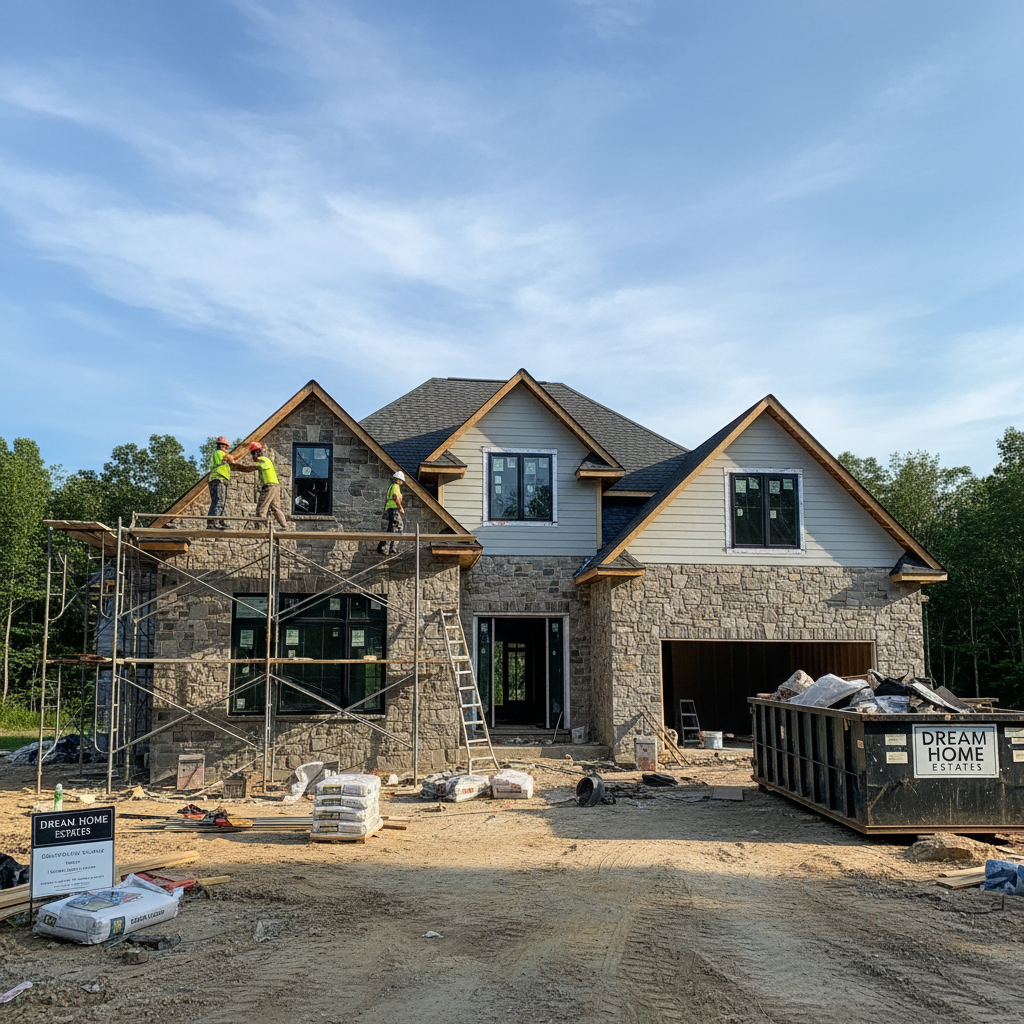
The custom home construction cost Utah homeowners should expect typically ranges from $275 to $600 per square foot for fully custom builds, while semi-custom options generally fall between $200 and $350. Most high-end projects total between $400,000 and $900,000; however, final pricing depends heavily on land costs, site preparation, and specific material choices.
Building a custom home in Central Utah often starts with a single question that leads to a thousand conflicting answers; what does it actually cost per square foot? Most prospective homeowners find themselves caught in a cycle of outdated estimates and generic figures that fail to account for the unique geographical realities of our local terrain. At KRGoble Construction, we believe that transparency is the foundation of a successful build. Understanding the true financial landscape for 2025 and 2026 is critical if you want to avoid mid project surprises. In this guide, we will look past the surface level numbers to examine the impact of site infrastructure, the distinction between hard and soft costs, and the rising popularity of steel barndominiums. You will gain the practical framework needed to estimate your budget with confidence and precision.
Current Average Costs for Custom Home Construction in Utah for 2025 and 2026
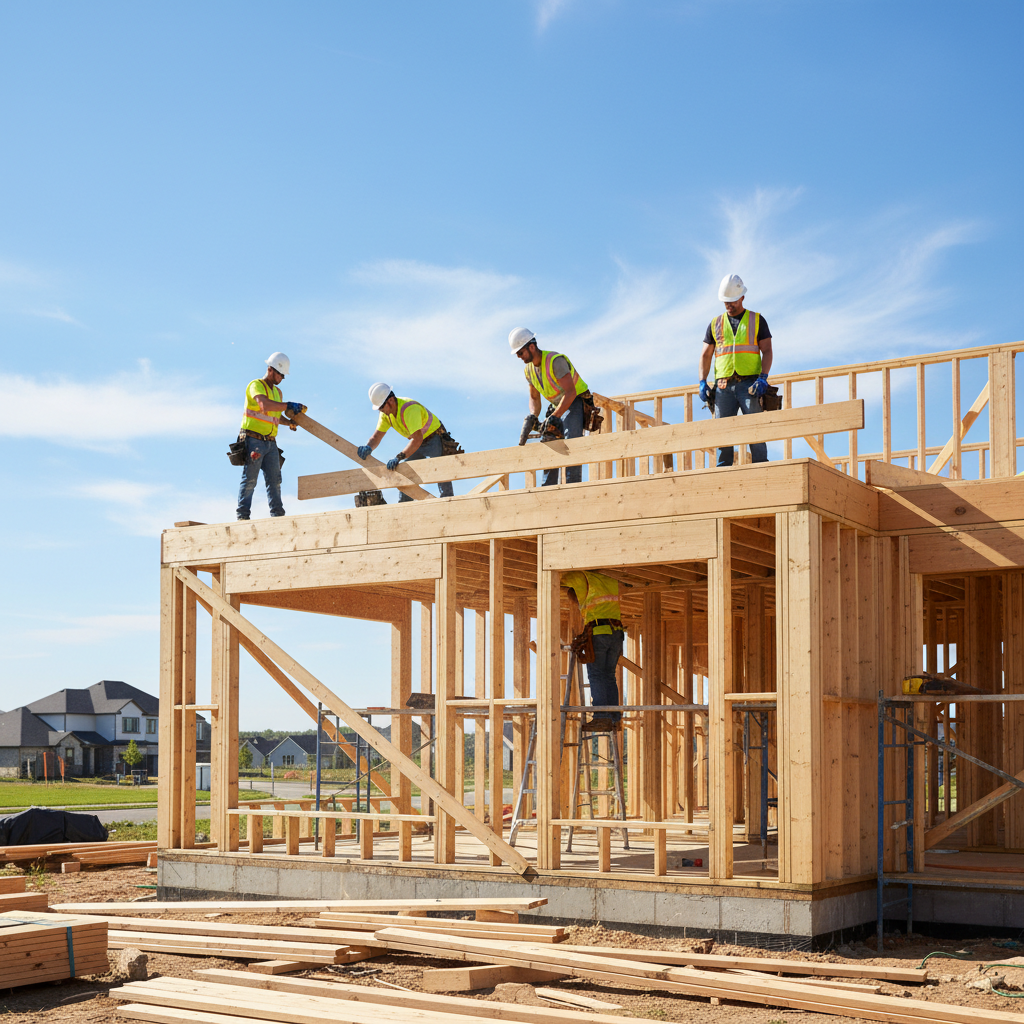
Understanding the current market requires looking at the trajectory of labor and material costs heading into 2025 and 2026. In Central Utah, we have seen a consistent upward trend in pricing driven by the demand for skilled trades and regional supply chain adjustments. While you might see national averages or builder-grade developments starting between $180 and $220 per square foot, these figures rarely reflect the reality of a personalized build on your own lot.
A true custom home construction project in Juab County or the surrounding areas typically ranges from $280 to $500 per square foot or more. The breadth of this range depends heavily on whether the project is semi-custom or full custom. Semi-custom homes often utilize pre-designed floor plans where the homeowner chooses from a curated selection of finishes, typically landing between $250 and $350 per square foot. In contrast, full custom builds are designed from scratch with an architect or designer, allowing for unique architectural elements, custom timber framing, and high-specification materials that push costs toward the $500 mark.
Home Tier | Price Per Square Foot (2025-2026) | Description |
|---|---|---|
Builder-Grade | $180 – $220 | Standardized plans, basic finishes, limited options. |
Semi-Custom | $250 – $350 | Modified plans, mid-range fixtures, some design flexibility. |
Full Custom | $280 – $500+ | Unique design, premium materials, high-end craftsmanship. |
To put this into perspective, a 2,500 square foot home requires a total investment between $700,000 and $1.2 million, excluding the cost of land. This estimate accounts for the professional project management and quality craftsmanship required to meet modern building codes and homeowner expectations in Utah. You can view our portfolio of Utah homes to see how these different finish levels translate into finished structures. As we look toward 2026, anticipating the custom home construction cost Utah homeowners face allows for more accurate planning before site development and excavation begins.
Why Price per Square Foot is a Misleading Metric for Custom Builds
Relying solely on a square foot estimate often leads to budget overruns because that number rarely reflects the total custom home construction cost Utah homeowners actually pay. A square foot price is frequently a shell price, covering the framing and basic structure while omitting the variables that make a house a home. For example, two homes of identical 2,000 square foot footprints can have vastly different price tags. A home with standard eight foot ceilings, laminate countertops, and a simple gable roof will cost significantly less than one featuring vaulted ceilings, custom timber framing, and high end quartz or stone finishes. The complexity of the architecture, such as intricate rooflines or expansive glass walls, increases labor and material requirements without adding a single square foot to the floor plan.
Understanding the contract structure is equally important for accurate budgeting. Many custom builders in Utah operate on either a cost plus percentage or a fixed price model. In a cost plus model, the homeowner pays the actual cost of materials and labor plus a predetermined management fee. This offers maximum transparency and flexibility for changes, but it requires a well managed budget. A fixed price contract sets a total cost upfront based on specific selections. While this provides price certainty, it often includes a higher margin to protect the builder against market fluctuations; furthermore, any changes after the contract is signed can be expensive. Choosing the right model depends on your comfort with risk and your need for design flexibility during the build process.
The Central Utah Factor: Site Preparation and Infrastructure Costs
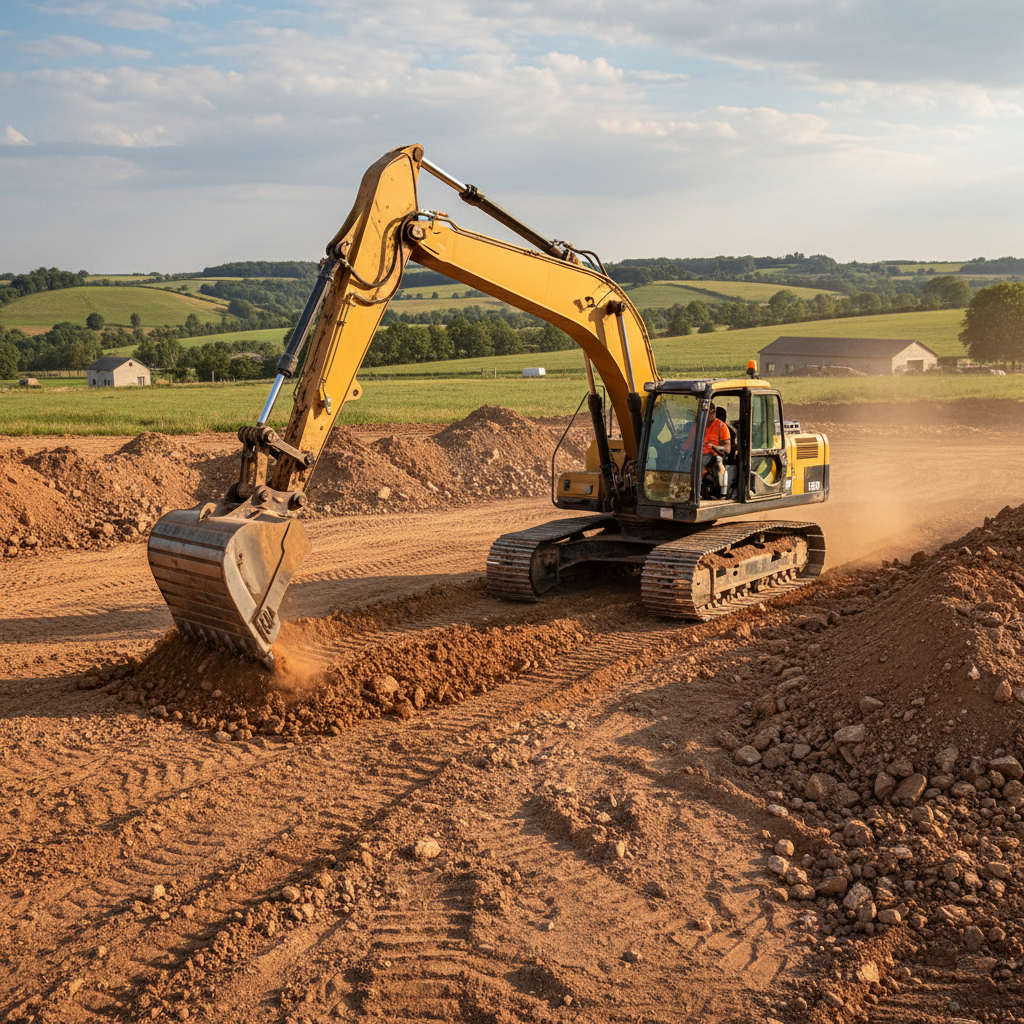
Building in Juab County or rural Millard and Sanpete Counties presents a different set of financial variables than building in a developed subdivision in Salt Lake City. A common question we encounter is if it is cheaper to build if you already own land. The answer depends entirely on the status of that land. While owning the property provides a head start, raw land in Central Utah often requires extensive site development and excavation before the foundation can be poured. In a suburban environment, utilities are usually at the curb. In our region, you may be looking at thousands of dollars just to bring power, fiber, and water from the main road to your specific building pad.
Infrastructure is the largest variable in rural custom home construction. If the lot is not serviced by a municipal sewer, you must budget for a septic system. Depending on the soil's percolation rate and local health department requirements, a standard gravity system or a more complex pressurized mound system could range from $15,000 to $45,000. Similarly, if city water isn't available, well drilling costs are calculated by the foot; if the water table is deep, this can add significant expense to the initial phase of the project.
Infrastructure Component | Rural Central Utah Estimated Cost | Suburban Utah Comparison |
|---|---|---|
Water Access | Well Drilling: $20,000 – $55,000 | City Hookup: $5,000 – $15,000 |
Waste Management | Septic System: $15,000 – $45,000 | Sewer Connection: $4,000 – $10,000 |
Utility Trenching | $15 – $30 per linear foot | Included in lot development |
Foundation Prep | Soil specific (rock/clay) | Standardized grading |
Local geology also dictates the final price. Much of Central Utah features either heavy expansive clay or dense, rocky terrain. Clay requires specific structural engineering for footings to prevent settling, while rocky lots in mountain foothills may require hydraulic hammers or blasting for excavation. These geological factors directly impact concrete foundation costs, as deeper footings or reinforced pads are necessary to ensure the long term stability of the home. Navigating these regional challenges requires a contractor who understands the specific dirt they are digging in.
Steel Buildings and Barndominiums: A Cost-Effective Alternative in Central Utah
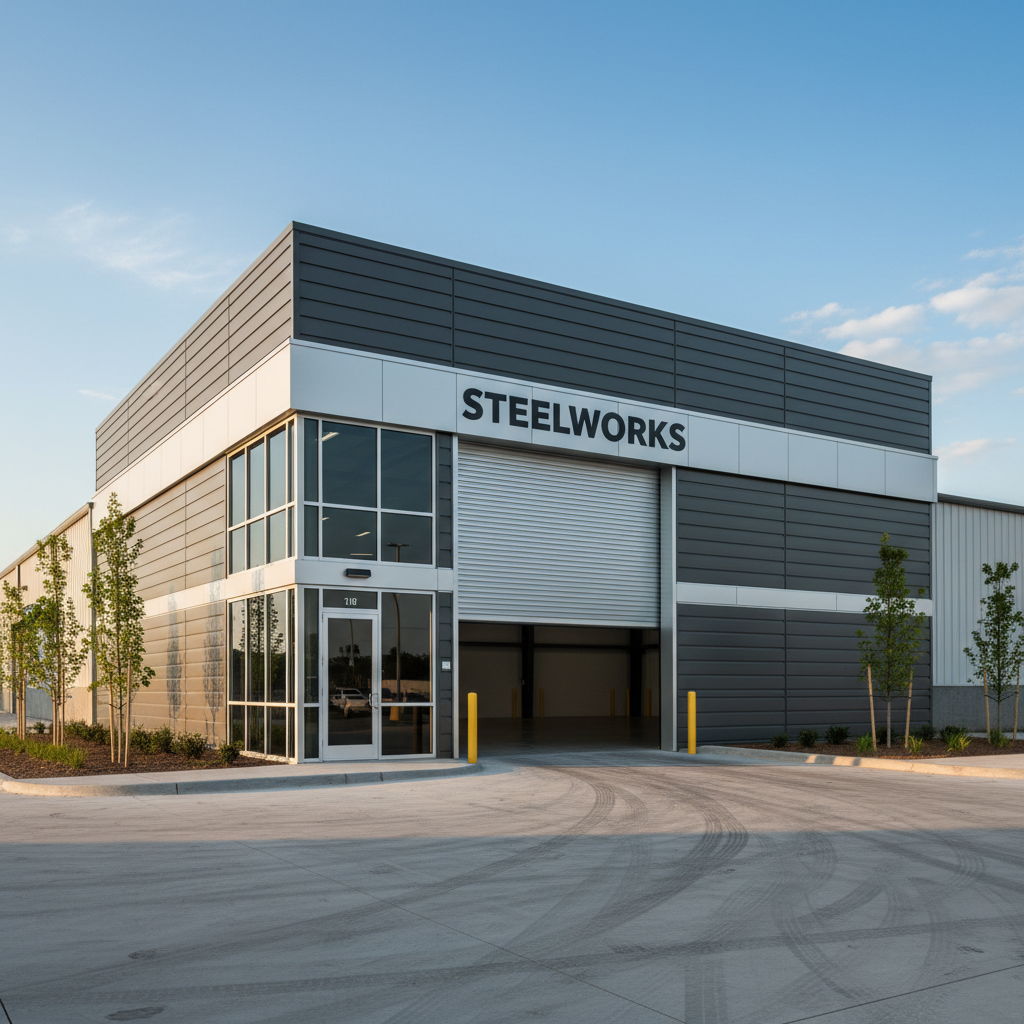
For property owners in Juab County looking to maximize their budget without sacrificing durability, steel buildings and barndominiums have become a highly sought-after alternative to traditional wood-frame houses. A primary driver of this trend is the significant reduction in initial structural expenses. While a stick-built custom home construction cost Utah can quickly climb due to complex framing and labor, the shell of a steel residential building typically ranges from $100 to $150 per square foot. This price point covers the primary structure, roofing, and exterior walls; it provides a weather-tight envelope much faster than traditional methods.
KRGoble Construction leverages our extensive background in agricultural and steel buildings to create spaces that bridge the gap between rugged utility and high-end residential living. Barndominiums offer expansive, open-concept floor plans with clear-span interiors that are impossible to achieve with standard timber framing without expensive engineered beams. These structures are exceptionally resilient against the harsh winds and heavy snow loads common in Central Utah. By choosing a steel-frame approach, you invest in a building that resists rot, pests, and fire, while allocating more of your budget to interior finishes like custom cabinetry or high-efficiency HVAC systems.
Building Component | Traditional Stick-Built | Steel Barndominium Shell |
|---|---|---|
Shell Cost (Per Sq Ft) | $180 – $250+ | $100 – $150 |
Structural Span | Limited by wood beams | Large open spans possible |
Long-term Durability | Prone to settlement/rot | Minimal settlement; non-combustible |
Construction Timeline | 6 – 12 months | 4 – 8 months (shell-dependent) |
Hard Costs vs Soft Costs: The Hidden Expenses of Building a Home
A common point of confusion for many homeowners is the distinction between hard costs and soft costs. When evaluating the total custom home construction cost Utah residents face, most focus on the physical materials, often called the sticks and bricks. These hard costs represent the vertical construction, including the foundation, framing, roofing, plumbing, and electrical systems. While these are the most visible parts of the project, they do not represent the full financial commitment.
Soft costs are the intangible but necessary expenses that occur behind the scenes. In Juab County, these can include architectural fees, structural engineering reports necessitated by local soil conditions, and construction loan interest. One of the most significant soft costs is the impact fee. These are one-time payments made to local governments to offset the cost of providing public services like roads and parks to new developments. Depending on your specific municipality, these fees can range from several thousand to tens of thousands of dollars before you even break ground.
Expense Category | Examples | Typical Impact on Budget |
|---|---|---|
Hard Costs | Foundation, Lumber, Windows, HVAC, Masonry | 70% – 80% |
Soft Costs | Permits, Engineering, Architectural Plans, Insurance | 10% – 15% |
Site Prep | Clearing, Grading, Utility Extensions, Septic | 5% – 15% |
Prospective builders often ask if $500,000 is enough to build a house in the current market. While $500,000 may cover the hard costs of a modest custom home construction project, it often fails to account for the 20 to 30 percent of the budget consumed by soft costs and site preparation. Understanding this breakdown ensures you are not caught off guard by the administrative and legal requirements of building in Central Utah.
How to Estimate Your Custom Home Budget Without Getting Overwhelmed
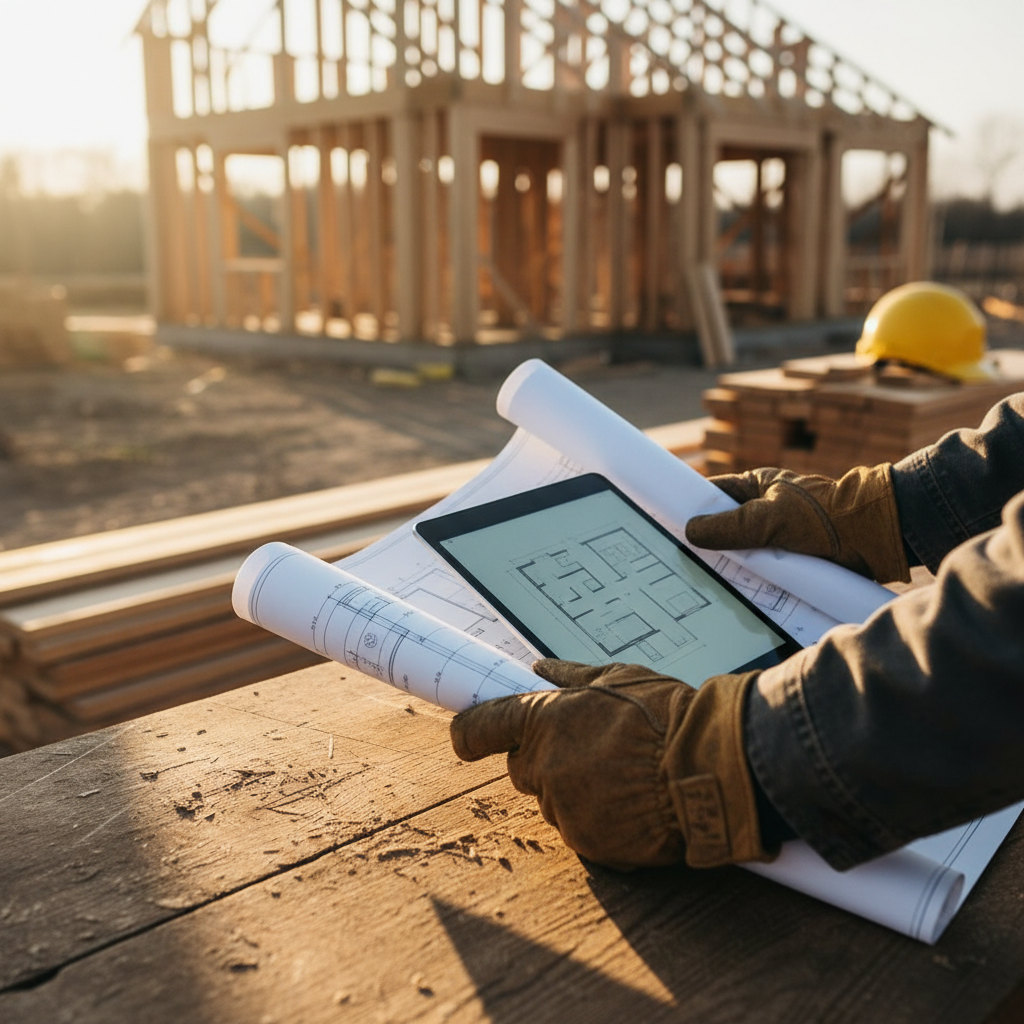
Estimating your budget requires moving beyond a single number and categorizing your priorities into clear investment levels. Start by defining the baseline requirements for your custom home construction project. A tiered approach helps you visualize where your dollars go and prevents the sticker shock often associated with high-end selections later in the process.
Investment Tier | Focus Areas | Finish Level |
|---|---|---|
Budget (Essential Quality) | Structural integrity and efficiency | Standard appliances, durable LVP flooring, and laminate or basic stone counters. |
Mid-Range (Enhanced Comfort) | Gourmet kitchens and primary suites | Custom cabinetry, quartz countertops, upgraded tile, and premium lighting packages. |
Luxury (High-End Custom) | Architectural detail and automation | Full masonry exteriors, smart home integration, custom millwork, and professional landscaping. |
After selecting a tier, add a 10 to 15 percent contingency fund to the total estimate. In Central Utah, this buffer is essential for managing unexpected site development and excavation challenges, such as hitting unforeseen rock layers, or navigating material price fluctuations during the build cycle. Establishing this cushion upfront prevents the stress of mid-project budget adjustments. To see how these different budget tiers translate into real-world results, you can view our portfolio of Utah homes. This structured method ensures your custom home construction cost Utah remains within a predictable range from groundbreaking to move-in day.