Metal roofs generally cost two to three times more than asphalt alternatives, with average installations ranging from $15,000 to over $30,000. When comparing the metal roof vs shingles price, homeowners should consider that metal offers superior longevity and snow resistance that can save money over a fifty year period. While asphalt shingles require less initial investment, metal provides better long term value through increased durability and reduced replacement frequency in harsh climates.
Deciding between a metal roof and traditional asphalt shingles often feels like a tug of war between your current budget and your home’s future protection. While the lower price point of shingles is tempting during a renovation, the extreme snow loads and intense UV rays of Central Utah demand a more calculated approach to value. A roof is a significant investment; choosing the wrong material can result in premature failure or unexpected maintenance costs as the seasons shift. In this guide, we break down the real-world pricing of metal versus shingles within our local market. You will learn about the fifty-year return on investment, the structural benefits of standing seam versus corrugated panels for mountain shops, and how energy efficiency impacts your long-term savings. We aim to provide the clarity you need to choose a roof that stands up to the high desert climate.
Understanding the Initial Investment: Metal Roof vs Shingles Price in Central Utah
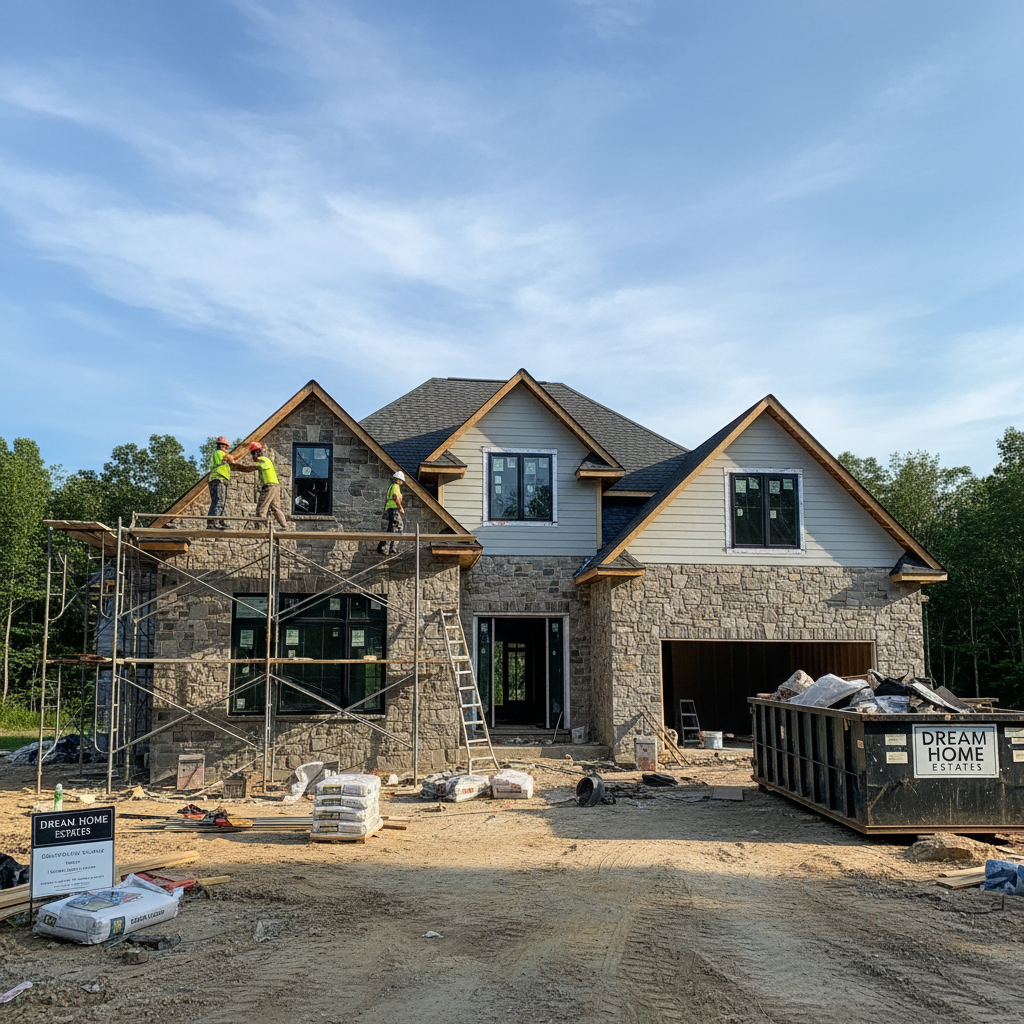
When planning a new build or a reroofing project in Central Utah, the most immediate question is the bottom line. The metal roof vs shingles price gap is significant, and understanding these numbers upfront helps set realistic expectations for your project budget. In our local market, including Juab and Utah Counties, a professional asphalt shingle installation generally ranges from $4 to $7 per square foot. In contrast, a metal roofing system requires a higher initial investment, typically landing between $9 and $18 per square foot installed.
This price variance within metal roofing is largely determined by the specific profile and installation method chosen. A corrugated metal roof, often favored for agricultural applications and outbuildings, sits at the lower end of that spectrum. A standing seam system, which our steel building experts often recommend for residential and commercial structures due to its superior weatherproofing, represents the higher end of the scale because of the specialized labor and concealed fasteners required for a proper install.
Roofing Material | Estimated Price per Square Foot (Installed) |
|---|---|
Asphalt Shingles | $4.00 – $7.00 |
Corrugated Metal | $9.00 – $12.00 |
Standing Seam Metal | $13.00 – $18.00 |
While it is accurate to say that metal is two to three times more expensive than asphalt at the time of installation, raw numbers only tell half the story. In the high elevation climate of Nephi, Santaquin, and Payson, the calculation changes based on local environmental stressors. As we manage custom home construction throughout the region, we advise clients to view the roof as a long term protective strategy rather than a one time expense. Our portfolio of Central Utah projects demonstrates how both materials perform in real world conditions, helping you determine if the higher entry price of metal aligns with your property’s goals.
Longevity and ROI: The 50 Year Cost Comparison
The real value of your investment emerges when you look at the 50 year horizon. In the high altitude environments of Nephi and Payson, asphalt shingles are subjected to intense UV radiation and rapid temperature fluctuations that accelerate material degradation. While standard shingles are often rated for longer, in our region they typically provide a reliable service life of 20 to 25 years before granules begin to shed and seals fail. A metal system installed by steel building experts can easily exceed 50 years with minimal intervention.
This disparity creates a significant shift in the total cost of ownership. Over half a century, a homeowner will likely pay for two or even three asphalt installations to match the longevity of a single metal roof. Each subsequent shingle project involves rising labor costs, landfill fees for tear offs, and the logistical headache of a construction site on your property. When you calculate the compounded metal roof vs shingles price over several decades, metal often proves to be the more economical choice for those planning custom home construction intended for long term occupancy. Our portfolio of Central Utah projects includes many examples where owners prioritized this ROI to avoid the cycle of reroofing every two decades.
Feature | Asphalt Shingles | Metal Roofing |
|---|---|---|
Expected Lifespan | 20 – 25 Years | 50+ Years |
Replacements (50 yrs) | 2 – 3 | 1 |
Long-term Value | Lower (High recurring costs) | Higher (One-time investment) |
Managing Utah Snow Loads and Winter Weather
Central Utah winters demand a roofing system that manages heavy snow accumulation without compromising the structural integrity of the building. One of the most significant functional differences between these materials is how they interact with frozen precipitation. Asphalt shingles feature a ceramic granule surface designed to grip snow, which often results in thick, heavy layers remaining on the roof for weeks. Conversely, metal roofing has a low friction surface that encourages snow to shed quickly once the temperature rises slightly. This characteristic is particularly beneficial for large span shops and agricultural facilities, where reducing the dead load on the rafters is a priority. Our steel building experts often specify metal for this reason, as it minimizes the risk of structural fatigue during high accumulation seasons.
However, the ability to shed snow introduces a unique challenge known as a roof avalanche. Large sheets of snow and ice can slide off a metal roof simultaneously, potentially damaging landscaping, gutter systems, or creating hazards above entryways. To mitigate this, we install snow guards or snow rails in critical areas to break up the snow or hold it in place for a controlled melt. While these components are a minor addition to the overall metal roof vs shingles price calculation, they are essential for safety and property protection in towns like Nephi and Mona.
Engineering for these conditions starts long before the first storm. Juab County building codes dictate specific ground snow load requirements that vary based on elevation and specific site conditions. In the engineering phase of custom home construction, we calculate these loads to ensure the trusses and roof deck can handle the local climate. You can see how we integrate these safety features into various designs by viewing our portfolio of Central Utah projects.
Standing Seam vs Corrugated Metal: Which Is Right for Your Shop?
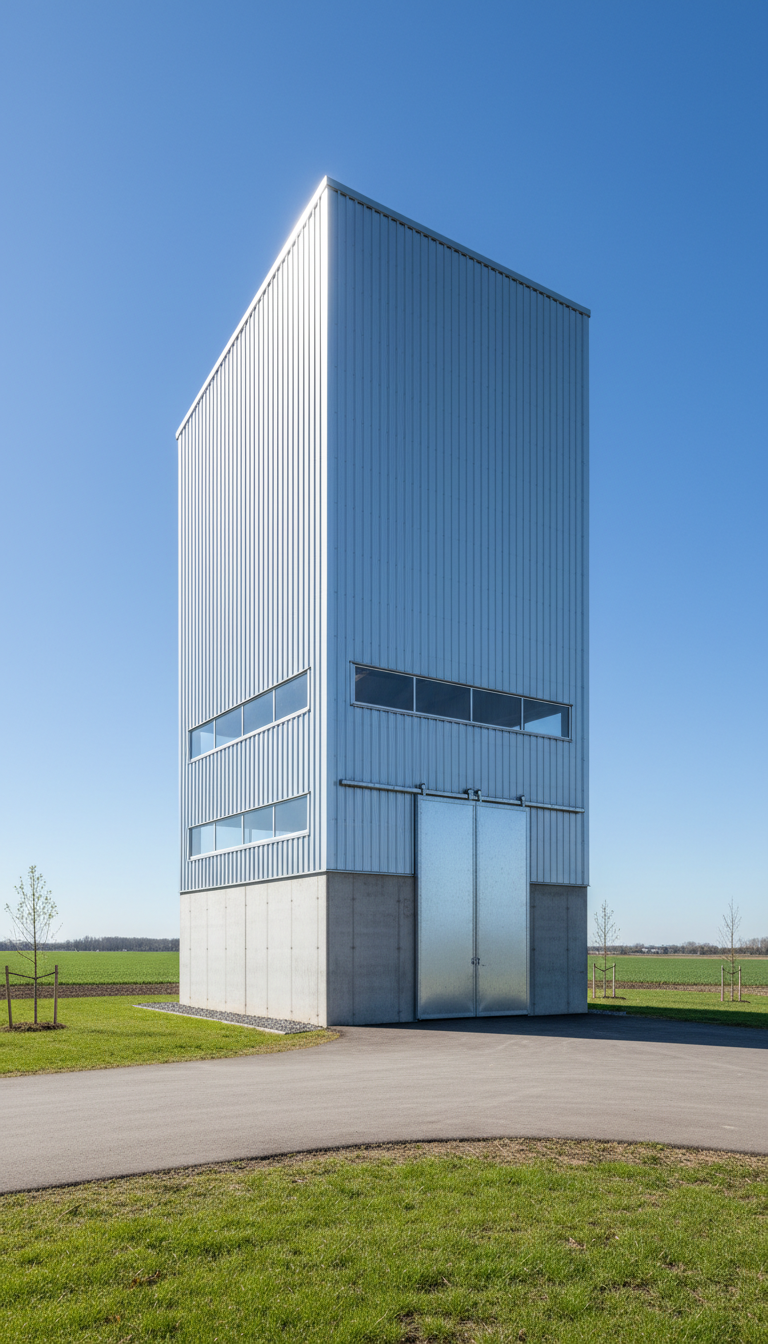
Choosing metal for a shop project in Central Utah requires a secondary decision: corrugated panels or a standing seam system. Corrugated metal, characterized by its wavy or U-shaped profile, is the most economical metal option. Because the fasteners are driven directly through the face of the metal, it is widely utilized for agricultural outbuildings and basic equipment sheds where cost efficiency is the primary driver. While effective, the exposed gaskets on these fasteners require periodic inspection to ensure they have not weathered or loosened due to Utah’s intense temperature swings.
For commercial facilities or high-value residential shops in Utah County, our steel building experts generally recommend standing seam roofing. This system features vertical ribs with a concealed fastening system hidden beneath the metal surface. By eliminating thousands of screw holes, standing seam provides a significantly higher level of leak protection and allows for natural thermal expansion and contraction. While this choice increases the initial metal roof vs shingles price calculation, it represents the gold standard for long-term durability. You can see the aesthetic and functional differences between these two profiles in our portfolio of Central Utah projects, where we match the material to the specific utility and value of the structure.
Feature | Corrugated Metal | Standing Seam |
|---|---|---|
Fastener Type | Exposed (Screwed through face) | Concealed (Hidden under ribs) |
Best Use | Agricultural, basic shops | Commercial, high-value residential |
Leak Risk | Moderate (Gaskets can age) | Extremely Low |
Price Point | Lower | Higher |
Energy Efficiency and the High Desert Sun
In the high desert climate of Central Utah, summer sun exposure is a significant factor in long term building costs. While the upfront metal roof vs shingles price is higher for metal, its thermal performance provides a distinct advantage during the hottest months in Juab and Utah Counties. Metal roofing reflects solar radiant heat rather than absorbing it; this can reduce cooling costs by 10 to 25 percent. Conversely, asphalt shingles possess high thermal mass, meaning they trap heat and continue to radiate it into the structure long after the sun sets.
This efficiency is a critical consideration for custom home construction where homeowners want to minimize HVAC strain. For larger structures, such as the agricultural warehouses managed by our steel building experts, the benefit is even more pronounced. Many of these shops do not have traditional air conditioning, so the ability of a metal roof to shed heat keeps internal temperatures manageable for equipment or livestock. Our portfolio of Central Utah projects features numerous examples where metal was selected specifically to combat the intense high-elevation sun.
Maintenance Requirements and Local Durability
Maintaining a roof in the high desert involves different priorities depending on the material. For asphalt shingles, the primary concern is wind resistance. Central Utah frequently experiences high wind events that can lift or tear shingles, leading to water intrusion. Local building codes, including those in Juab County, typically enforce the 25 percent rule. If a storm damages more than 25 percent of the roof surface, a full replacement is often required by law rather than a simple patch. This regulatory reality can suddenly inflate the metal roof vs shingles price comparison if a shingle roof fails prematurely due to weather.
Metal roofs, while physically tougher, have their own maintenance needs that homeowners should not ignore. For corrugated systems with exposed fasteners, the rubber washers can eventually dry rot or the screws may back out slightly due to the constant thermal expansion and contraction cycles common in Nephi. Our steel building experts recommend periodic inspections to ensure these fasteners remain tight and watertight. While standing seam systems require less frequent attention, all metal roofs should be kept clear of debris in the valleys to prevent moisture traps. As seen in our portfolio of Central Utah projects, choosing the right material for custom home construction means balancing these specific maintenance tasks against the long term durability of the structure.
Choosing the Best Material for Your Specific Project
Selecting the right material requires an honest assessment of your property's timeline and purpose. If you are executing a quick renovation on a starter home or a rental property in Nephi, asphalt shingles often make the most financial sense. The lower upfront metal roof vs shingles price for shingles allows you to allocate capital toward interior upgrades where they might drive a higher immediate ROI for a sale.
Conversely, for custom home construction or long-term investments, metal provides a level of permanence that asphalt cannot match. We are seeing a significant shift in Juab County toward metal roofing for its modern, clean lines; this has become a staple of the local high-desert aesthetic. For owners planning a permanent residence or a large-scale agricultural shop, our steel building experts recommend metal to ensure the structure withstands decades of extreme weather without a full replacement. You can explore how these different materials impact the final look of a build by reviewing our portfolio of Central Utah projects.